A · Language models 7 types
From one million to 8 billion parameters, distilled from larger teachers and tuned on your text.
Independent AI lab
We train small language, vision and video models for one job. They beat general models at it, run on hardware you already own, and the weights are yours.
§ 01 · Why specialists
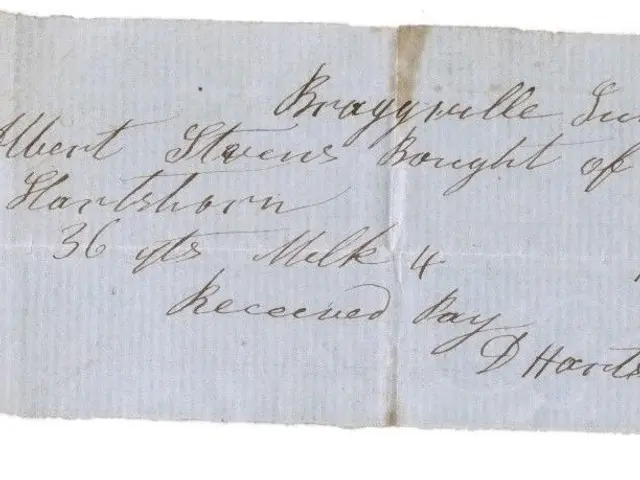
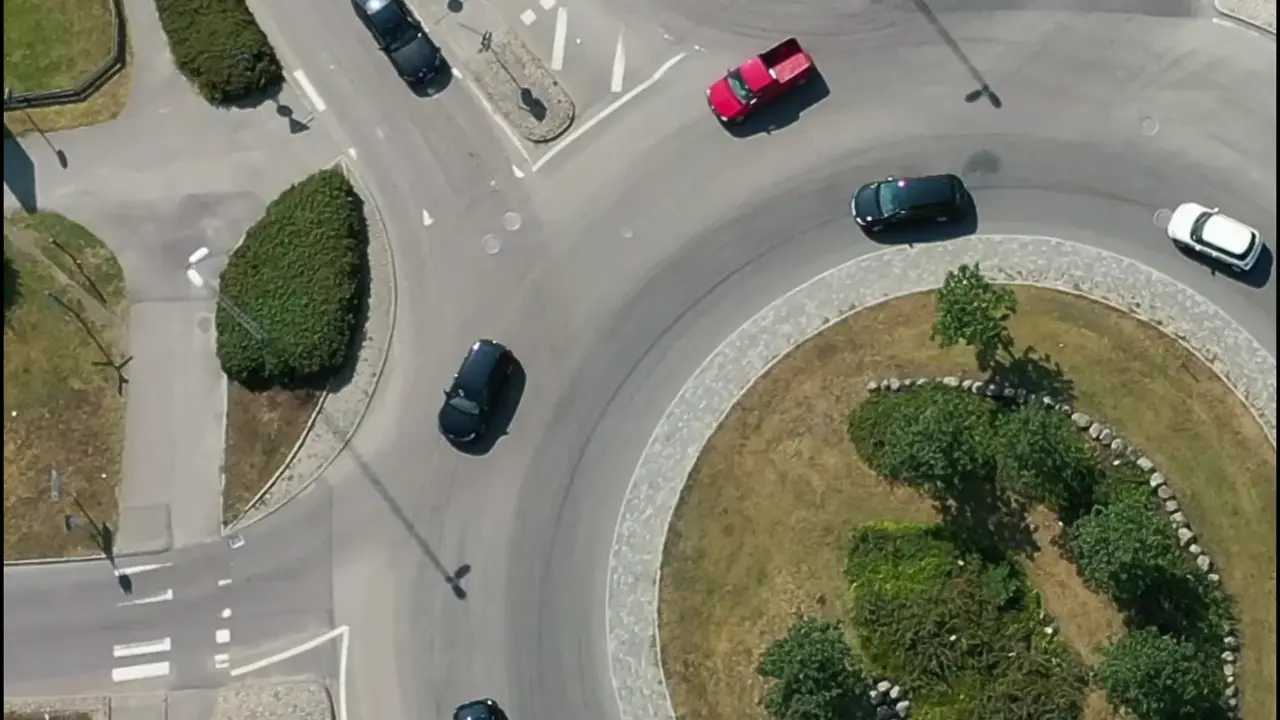
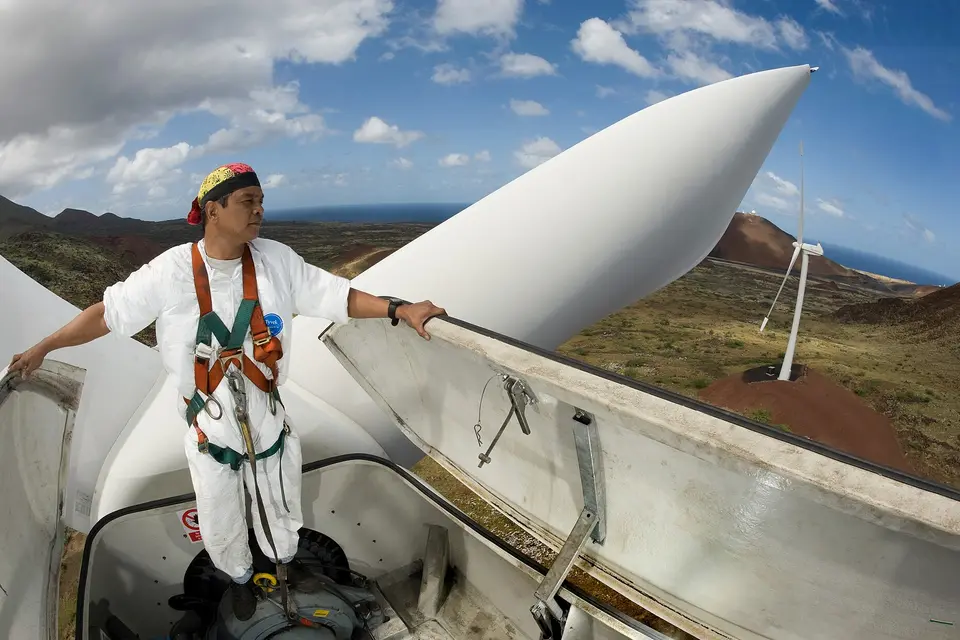
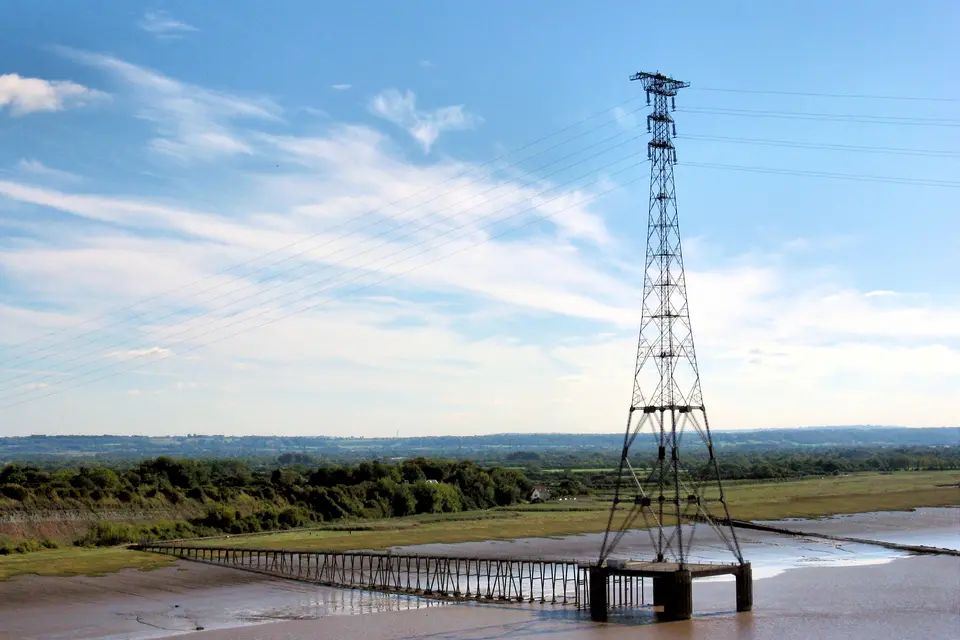
A general model knows a little about everything. Give it your job, thousands of times a day, and it guesses. These are its real answers on four photographs from the industries we build for.
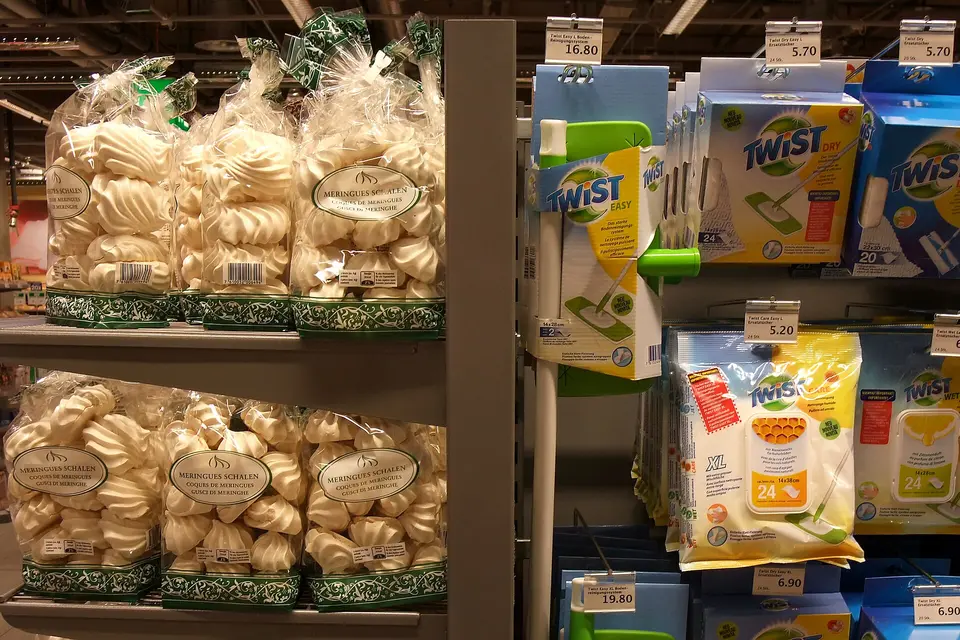
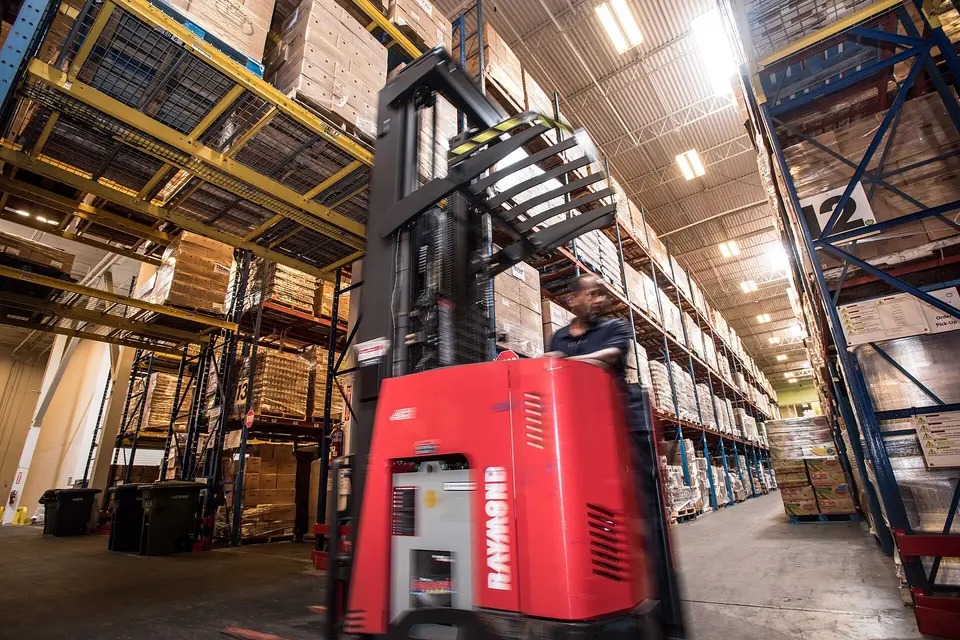
A specialist learns from your examples and little else, and it is scored on cases it has never seen.
Millions to a few billion parameters. It answers in milliseconds on a laptop, a phone or the camera itself.
You receive the weights, the recipe and the test set. Nothing to rent back, and your data never leaves.
§ 02 · What we build
Eighteen model types we know how to make, from a few million to eight billion parameters, and where each one runs. Pick one to start a project with it.
A · Language models 7 types
From one million to 8 billion parameters, distilled from larger teachers and tuned on your text.
B · Recognition 7 types
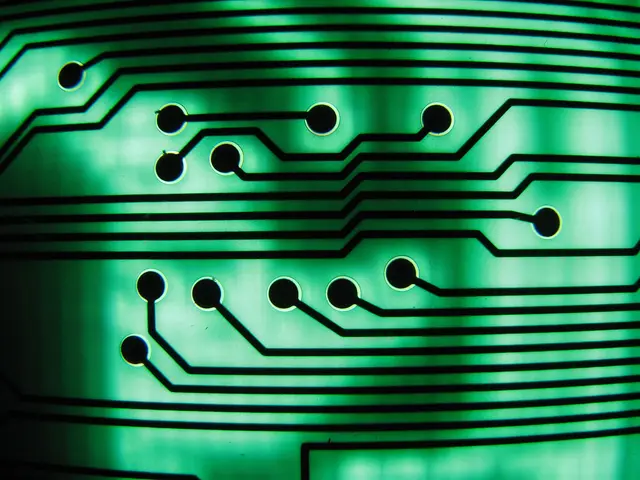
Detectors from a few million parameters, and vision-language models small enough to fly.
C · Generation 4 types
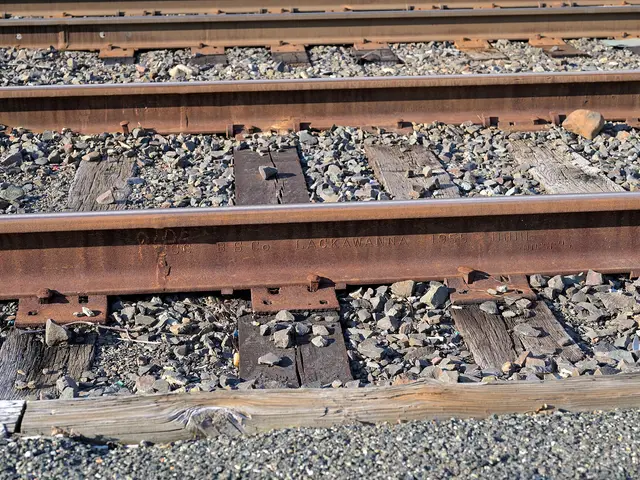
Adapters for open diffusion models, trained on your catalog, your look or your edge cases.
§ 03 · SAM-assisted
Ask SAM, a general segmenter, for the kernels in this photo and it outlines the cobs. Wrap it in a workflow of crops, thousands of point prompts and shape checks, and it finds them all. That workflow is how we label. What we ship is the small model trained on its labels.
One photo, four ways

SAM · whole image · 23 masks
SAM with crops, 23,688 prompts and shape checks outlines every kernel, at minutes of GPU per photo. We run it once, over your examples.
A few million parameters, trained on those outlines and scored on photos it never saw. One pass, in milliseconds, on the camera that takes the picture.
No prompts, no crops, no agent in the loop. It does one job, it was tested on that job before it shipped, and it gives the same answer every time.
§ 04 · Store attention
Chain three open models over store footage, one for bodies, one for gaze and one for depth, and you get a map of what shoppers look at. Offline, on a big GPU, with every face in frame. We train that chain into one small model that runs on the camera box, live, and keeps skeletons instead of faces.
67 tracks · 11.4 s
Where eyes went Sample
Pose, gaze and depth models chained over recorded footage: minutes of GPU for every minute of video, and every model sees every face.
Trained on what the chain produced and tested on stores it never saw. A few million parameters, on the camera box, at the camera's frame rate.
It keeps seventeen points per person and the way their head points. No faces, no identities, nothing worth leaking.
§ 05 · Where it runs
Memory is plain arithmetic: parameters times bits per weight. Size a model and see what can hold it.
Precision
Weights 0.85GB
it runs on a phone.
§ 06 · How we work
Every project runs the same three steps, and the second never starts without the first.
01
We build a test set from your real cases, lock it away from training, and score what you use today on it.
02
A large teacher drafts labels, your experts correct the hard ones, and a small open model learns from both.
03
Same test set, side by side. If the specialist does not win on the numbers you chose, it does not ship, and you keep the report.
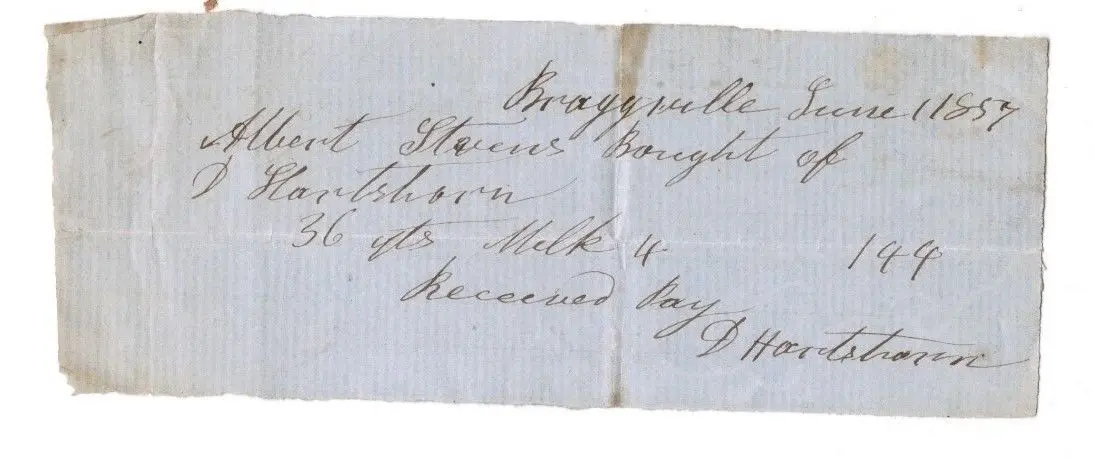
What step 01 measures Indra OCR 1.1.2 · 93 ms on CPU
| It read | The page says |
|---|---|
| Sray sulle June 1857 | Braggville June 1 1857 |
| Albert Steen bought of | Albert Stevens bought of |
| P. Harbehoon | D. Hartshorn |
| 56 ft. Milk 14. | 36 qts Milk 4 |
| heceived day | Received pay |
| 199 | 144 |
| I Hartaliare | D. Hartshorn |
13 of 19 words wrong
§ 07 · Open weights
Client models ship as files you own and run anywhere. Some of what we learn we publish, in exactly the same form.
frontierlabs / ledger-1.7b
Model card
Reads printed and handwritten receipts, invoices and ledgers into JSON. Base model Qwen3-1.7B. Trained on 140,000 synthetic and 9,000 hand-checked documents in six languages.
Limits. Weak on carbon copies and on tables that continue across pages.
4Evaluation · held-out set
llama-server -hf frontierlabs/ledger-1.7b-GGUF
Apache-2.0, with the base model's licence checked before training starts.
Full precision and 4-bit builds in safetensors. Nothing behind an API.
GGUF for llama.cpp, MLX for Apple silicon, ONNX for everything else.
What it was trained on, what it is for, and where it fails.
The held-out set, the harness and the recipe. Retrain it yourself.
On a laptop, offline, with tools you already have.
Our releases
§ 08 · Pricing
Two weeks on your data, at a fixed fee. At the end you know, with numbers, whether a small model beats what you use today, and what it costs to build.
Feasibility study
€8,000
Fixed fee, two weeks
§ 09 · Questions
The ones every first call starts with.
You do. You receive the weights, the training recipe, the evaluation set and the serving code. We check the base model's licence before we start and only build on ones that allow commercial use.
No. Client data trains client models and nothing else. Our open releases are trained on public and synthetic data, and each model card lists exactly which.
Usually less than you think: a few hundred labeled examples for a narrow text task, a few thousand images for a detector. A larger teacher model can generate more, and your experts correct the hard cases. The study tells you what you have.
That depends on the job. Extractors and classifiers often work at 0.5 to 2 billion parameters, detectors at a few million. Many of our models run on a CPU, a phone or the camera itself.
Then we say so, and the study tells you before you spend more. Both systems are scored on the same held-out cases, and a specialist ships only if it wins on the measures you chose.
Yes, and that is often the point. We deliver containers for vLLM, llama.cpp, ONNX Runtime and Core ML, and models run air-gapped on your servers or on the device.
You can: the recipe is yours. Or we retrain it on a schedule as your data drifts, and watch its accuracy in production, under a monthly support plan.
§ 10 · Contact
One sentence is enough. Within two working days we reply with whether a small model can do it, and what it would take.